One Photography Community. Every Photography Solution.

Introducing the DPC Ecosystem
One Photography Community. Every Photography Solution.

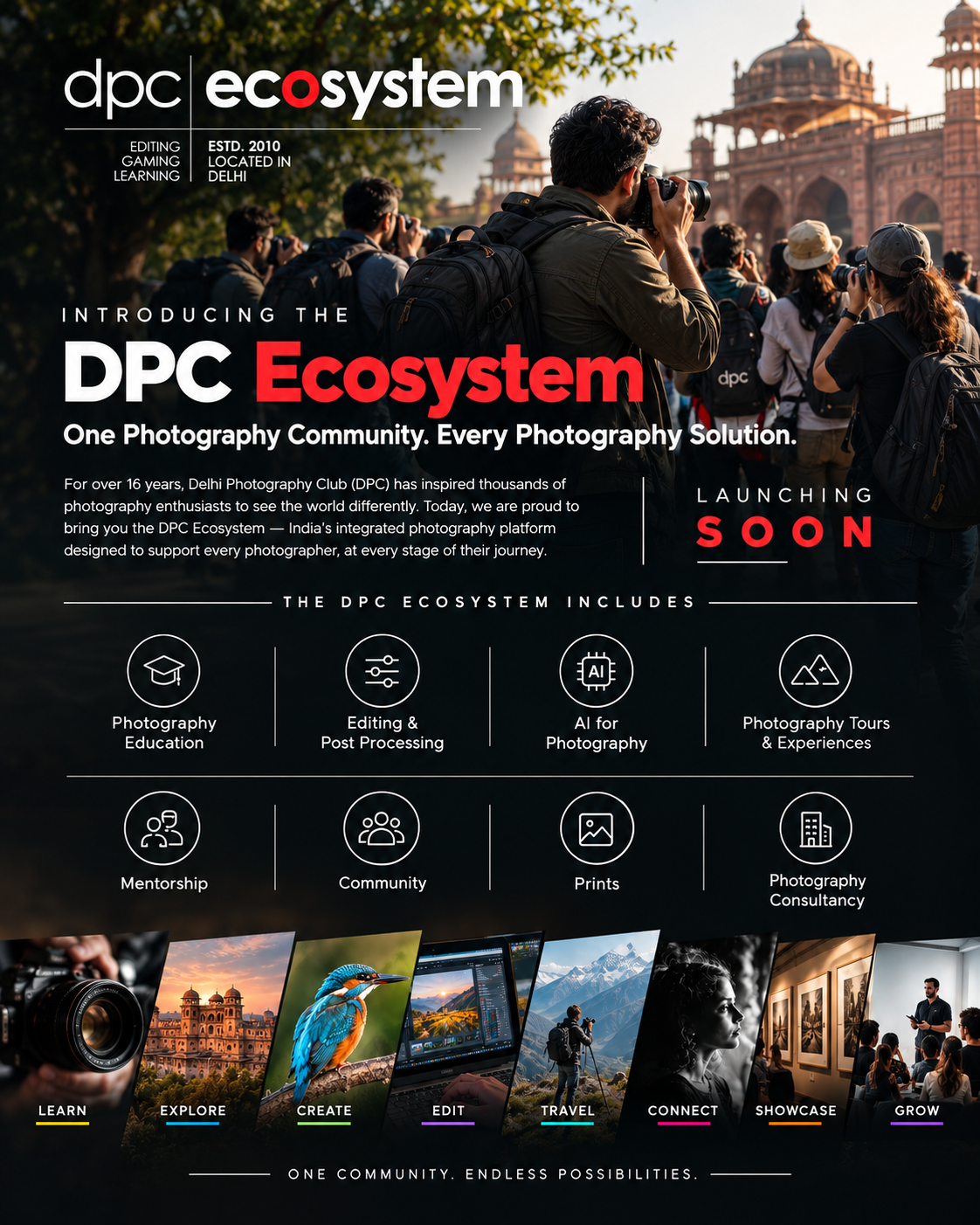
For over 16 years, Delhi Photography Club (DPC) has inspired thousands of photography enthusiasts to see the world differently. From beginner workshops and heritage photowalks to exhibitions, expeditions, and professional mentoring, DPC has always believed that photography is more than just clicking pictures—it is about building skills, creating opportunities, discovering creativity, and nurturing a lifelong passion. Today, we are proud to take the next big step with the launch of the DPC Ecosystem.

The DPC Ecosystem is India’s integrated photography platform, created to support photographers at every stage of their creative journey. Whether you are picking up a camera for the first time, developing your skills, building a professional career, or simply looking to connect with like-minded creators, the DPC Ecosystem brings everything together under one roof. Instead of searching across multiple platforms for learning, editing, AI tools, photography experiences, mentorship, printing, community opportunities, or professional services, photographers can now access an interconnected ecosystem designed around their needs.

At the heart of the DPC Ecosystem is a simple philosophy: One Community. Endless Possibilities. Every element of the ecosystem is connected to help photographers learn, create, explore, collaborate, showcase their work, grow their skills, and build opportunities. The ecosystem brings together Photography Education, offering structured learning from beginner workshops to advanced masterclasses; Editing & Post Processing, including professional editing support, tutorials, presets, AI-powered workflows, and image enhancement; and AI for Photography, helping photographers understand how artificial intelligence can transform editing, workflow automation, image organisation, content creation, and visual storytelling.

The ecosystem also brings photographers closer to the world through Photography Tours & Experiences, including photowalks, expeditions, festivals, wildlife journeys, heritage explorations, and specially curated travel experiences. Through Mentorship, photographers can receive personalised guidance from experienced professionals to improve their skills and confidence. The DPC Community creates opportunities to connect through meetups, exhibitions, competitions, collaborations, and networking, while Prints allows photographers to transform their images into premium prints, framed artwork, exhibition pieces, and collectibles. In addition, Photography Consultancy provides professional services for institutions, schools, organisations, CSR initiatives, exhibitions, tourism projects, photography clubs, and corporate training programmes.

Together, these connected services create a seamless journey for photographers—one where learning leads to creation, creation leads to exploration, exploration leads to collaboration, and collaboration opens new opportunities. The DPC Ecosystem is designed to make photography more accessible, connected, and rewarding for everyone.

Photography today is no longer simply about owning a camera. It is about continuously learning, embracing new technology, finding the right mentors, exploring new places, building a portfolio, creating meaningful work, and being part of a vibrant creative community. The DPC Ecosystem brings these possibilities together in one place, creating a platform where hobbyists, professionals, students, travellers, and creators can learn, create, connect, and grow.

Welcome to the future of photography.
Welcome to the DPC Ecosystem.

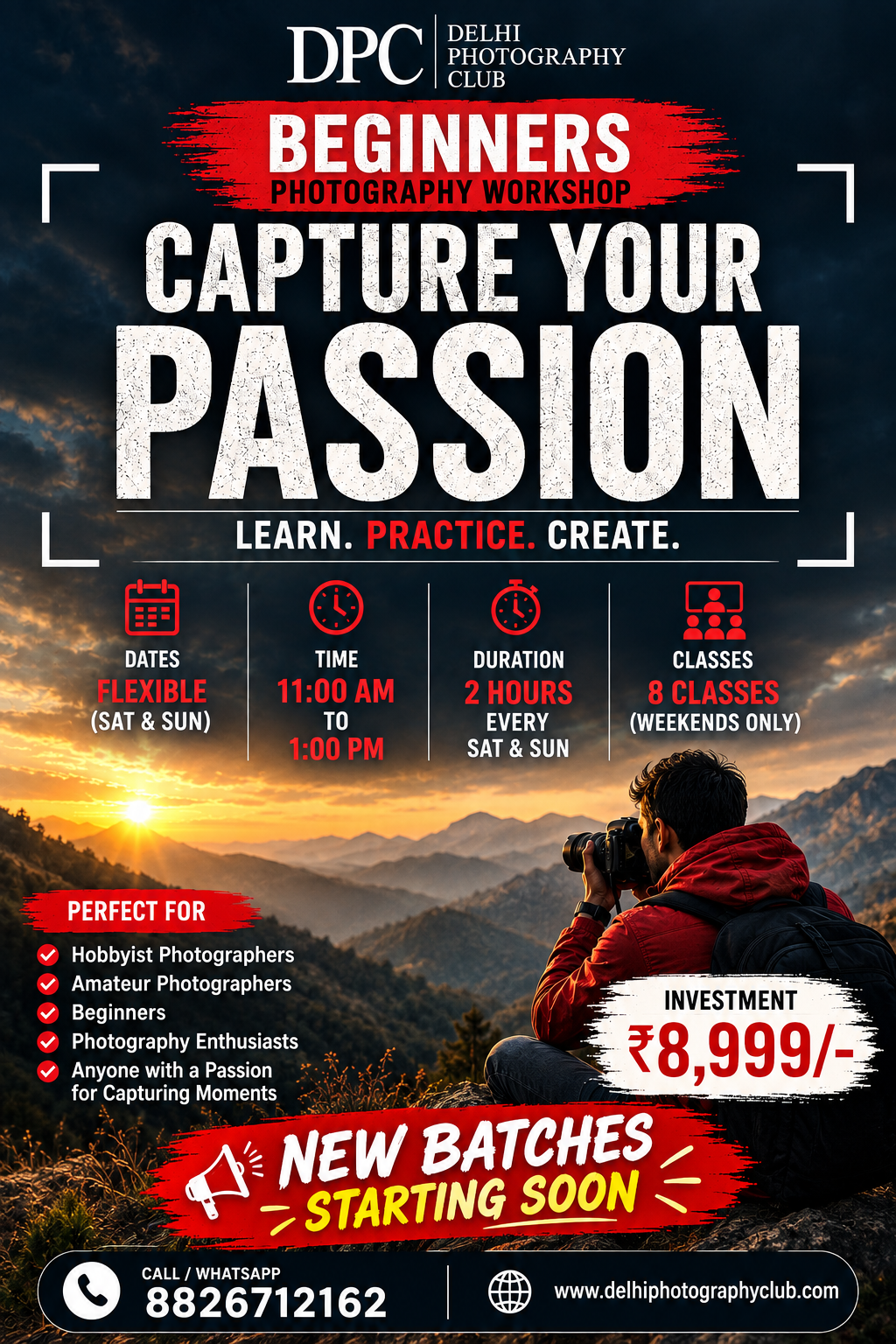
DPC Signature Photography Workshop

DPC Signature Beginners Photography Workshop

Understand your camera and capture better photographs, this is where your journey begins. Join Delhi Photography Club signature Beginners Photography Workshop , a    practical, hands-on program designed to build strong fundamentals in photography in a simple and structured way.

There are Eight sessions during this workshop and these workshops are hands-on workshops (theory – practice) During the workshop we cover 

  1. Functions and features of the camera
  2. Basic of Photography 
  3. Light : How to click in various lighting conditions.
  4. Portraiture and posing
  5. Composition and Framing .
  6. Review of Photos
  7. Learning Editing on Snapseed 

What Makes This Workshop Special

• 2 Months Unlimited Backup Classes until you gain confidence

• Hands-on learning with camera settings

• Clear understanding of light and composition

• Suitable for all age groups and beginners

This is DPC’s most trusted workshop. With over 200+ batches successfully conducted and nearly 8000 photography enthusiasts trained, this program has helped countless beginners move from confusion to clarity.  Whether you want to pursue photography seriously or simply improve your hobby, this workshop provides the right start without long, complicated courses.

Who Can Join

• Complete beginners

• Hobby photographers

• Anyone who wants structured learning

• DSLR, Mirrorless users

Date: Starting 4th April 2026.    Time: 11:00 AM – 1:00 PM.      

Duration: 2 Hours (Saturday & Sunday) | 8 session


Workshop Fee: ₹8,999 per participant

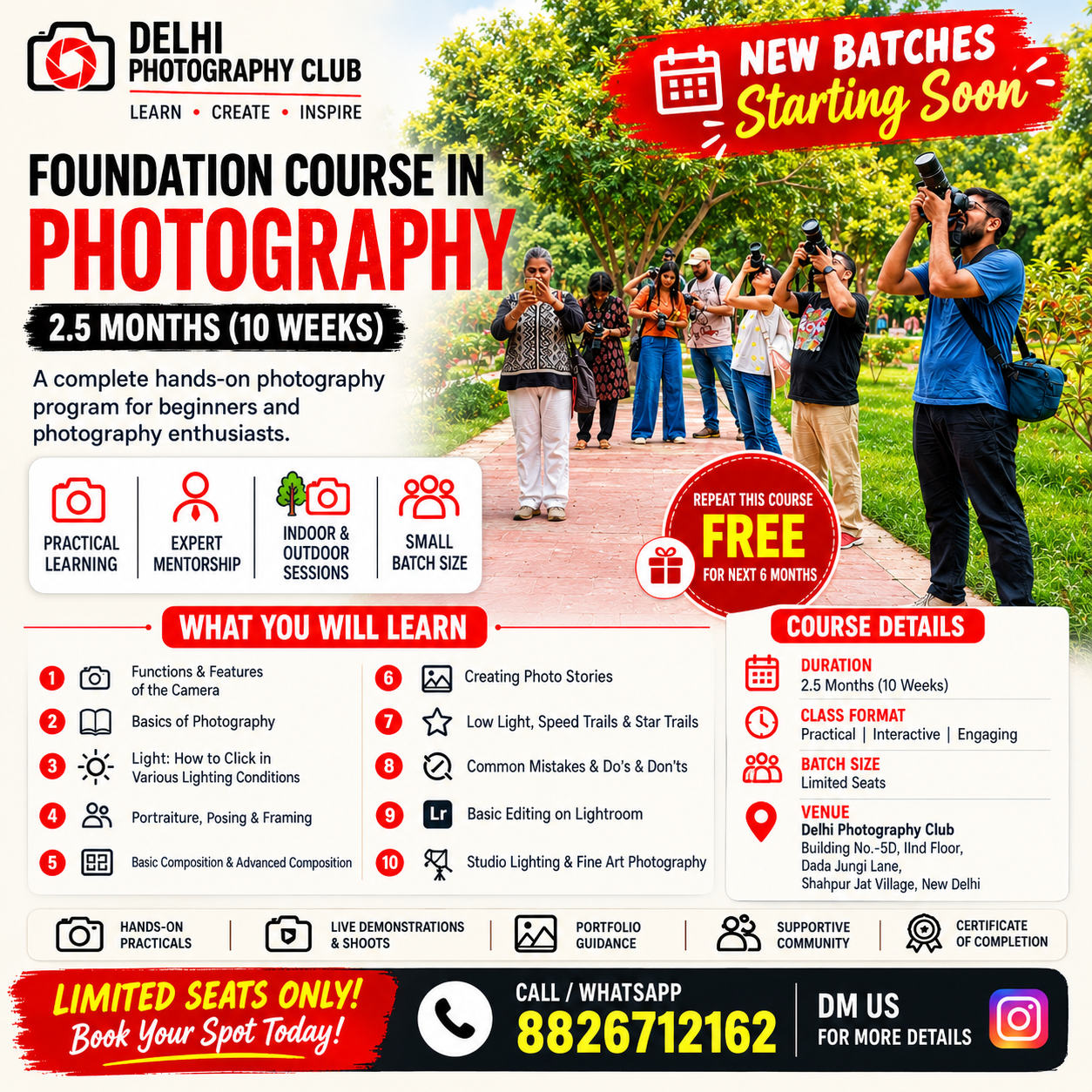
DPC 2.5 Months Foundation Course in Photography

DPC 2.5 Months Foundation Course – Join DPC Foundation Course in Photography fresh batch Starts-

Learn and Love photography. Thinking of leaving your Job and doing photography and travel, or taking up a serious hobby, or achieving next level of photos. Here is the answer to all. Get hands on with Camera settings, Studio Lighting, Long Exposure, Light Trails, Composition and Photo editing in Lightroom. This course offers all of this. Small batch size of 8 for individual attention. Access to DPC Lounge on weekdays as well. All Outdoor sessions with mentors.

We at Delhi Photography Club have been conducting this Foundation Course since last 6 years. We are proud to share with you that people who joined this course were immensely benefitted with knowledge and exposure. Our Foundation course in photography is better than other 6-12 months photography courses available in market.

Every Saturday Sunday 3 hours for 20 Classes spread across 2.5 months and workshop fee Rs 32000. 

For more info call 8826712162

DPC Foundation Course in Photography

Welcome to the next step in your photography journey with Delhi Photography Club. While your course begins, you can continue to enjoy ongoing DPC activities. Detailed updates and schedules will be shared with you on your registered email ID.

This is a comprehensive, hands-on program designed to build strong fundamentals and practical skills in photography.

Course Structure
The course includes 20 sessions, each of 3 hours.
All sessions are interactive and practice-oriented, combining theory with real-world application through a mix of indoor and outdoor shoots.

What You Will Learn

• Camera functions and features
• Fundamentals of photography and industry overview
• Understanding light and shooting in different lighting conditions
• Portraiture, posing, and framing
• Basic and advanced composition techniques
• Creating impactful photo stories
• In-depth understanding of light
• Black and white photography
• Low light photography, speed trails, and star trails
• Common mistakes and how to avoid them
• Basic editing on Lightroom
• Introduction to fine art photography

Additional Benefits

After completing the course, you get 6 months of complimentary access to the same workshop. During this period, you can:
• Attend sessions again for better clarity
• Make up for missed classes
• Join practice sessions to strengthen your skills

This ensures continuous learning and confidence-building without any additional cost.

Common Threads : A Photographic Passage by Vinod Thomas

Common Threads – A Photographic Passage Opens at India Habitat Centre, Bringing Together Art, Climate Consciousness and Social Purpose

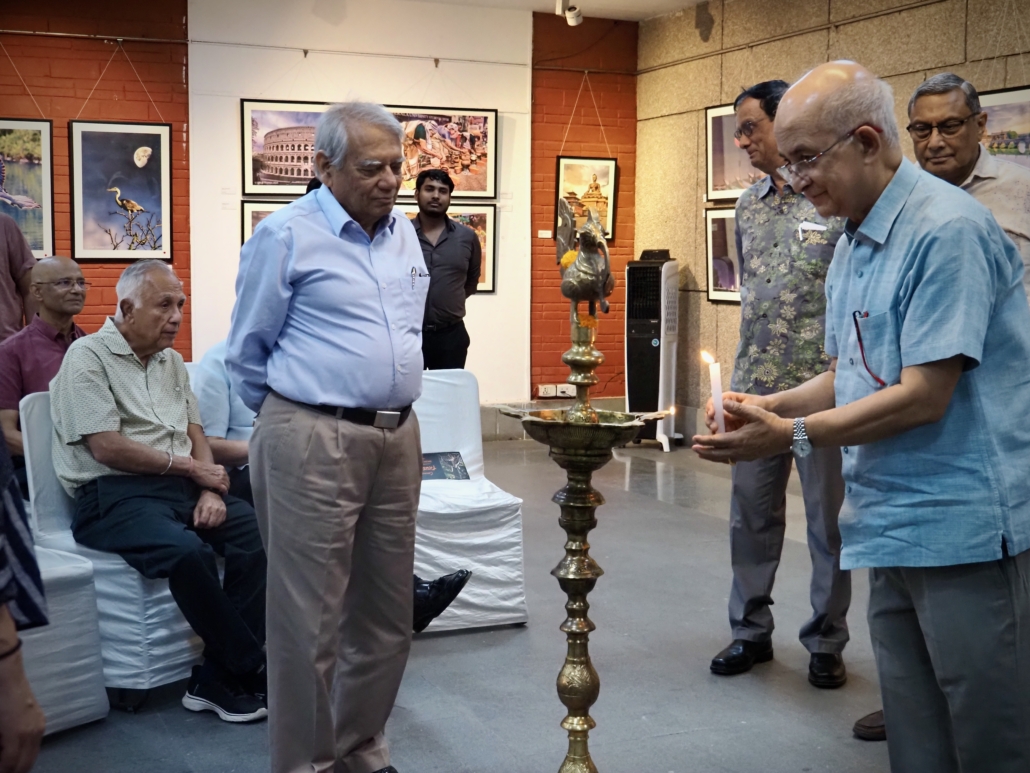
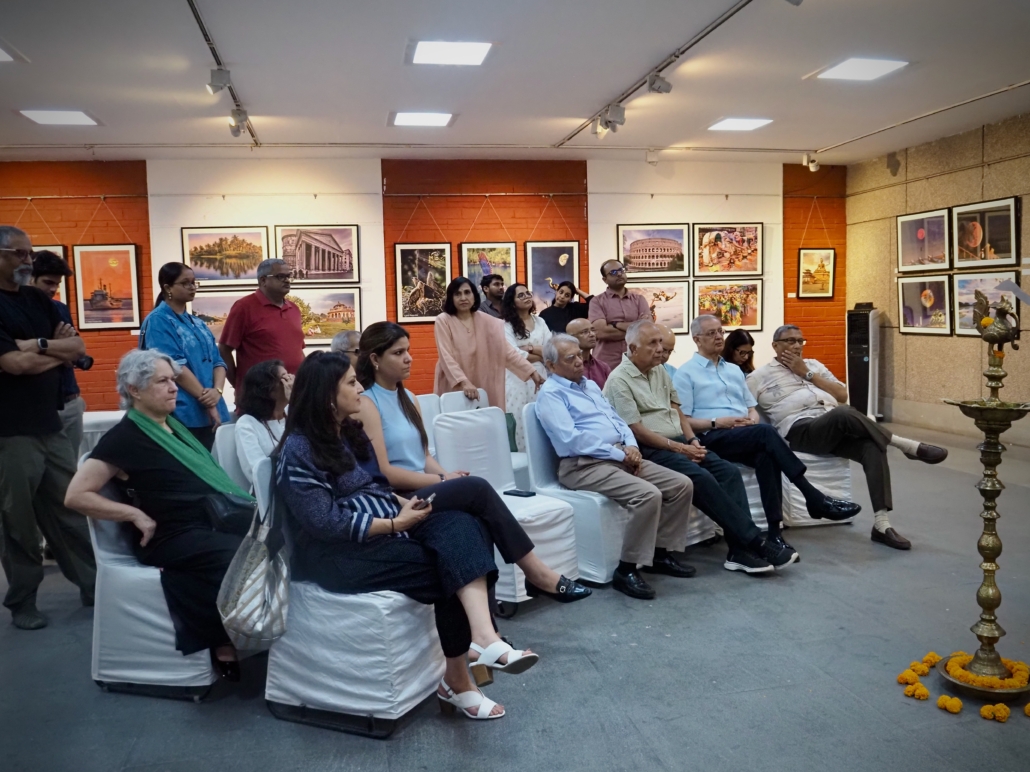
New Delhi, 8 May 2026: Common Threads – A Photographic Passage, a photography exhibition by noted photographer, development economist, and policy thinker Vinod Thomas, opened at the iconic India Habitat Centre on 8 May 2026, presenting a powerful collection of over 60 photographic works that explore the interconnected narratives of nature, culture, history, and humanity. The exhibition, which combines artistic expression with environmental reflection and social commitment, drew distinguished guests, art enthusiasts, policymakers, environmental advocates, and members of the photography community.

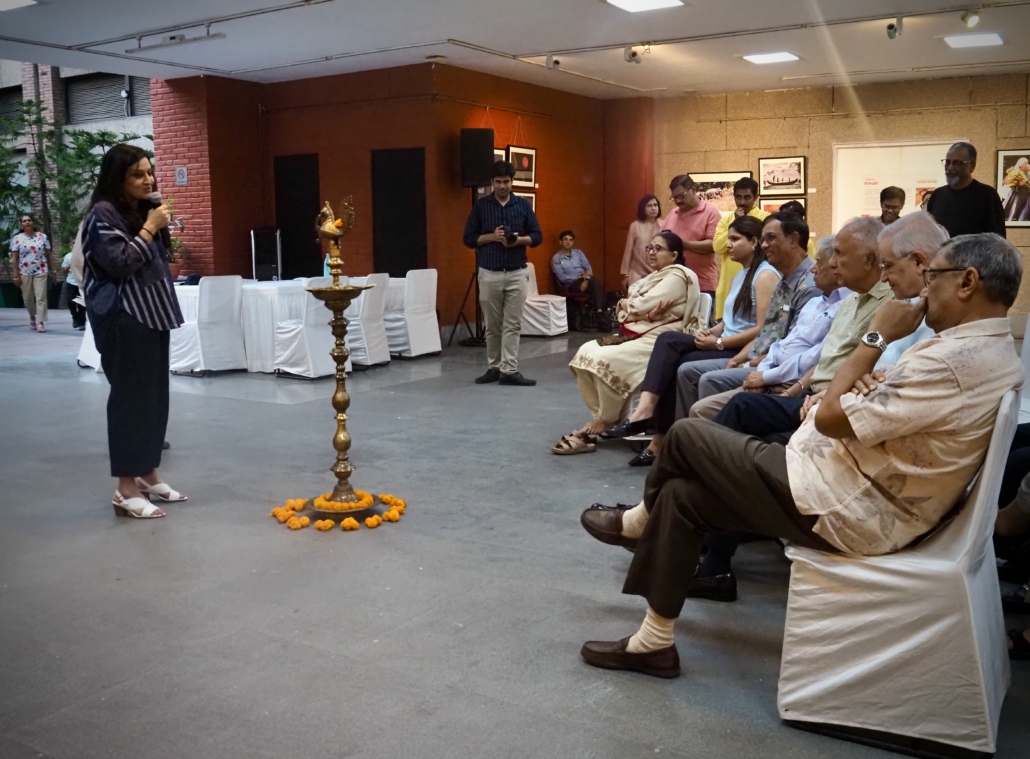
The exhibition was inaugurated with a ceremonial lamp lighting attended by an eminent gathering of dignitaries including Rajat Nag, former Managing Director of the Asian Development Bank; Rakesh Mohan, former Deputy Governor of the Reserve Bank of India; Bharati Chaturvedi, Founder and Director of Chintan; Supdipto Mandal, Chairman of the Centre for Development Studies; alongside photographer Vinod Thomas himself.

Curated by Virendra Shekhawat, Founder of the Delhi Photography Club, Common Threads presents an immersive visual journey across six evocative themes — Birds & Habitats, Culture & Tradition, Monuments & History, People & Values, and Sun & Moon. Through landscapes, wildlife imagery, portraits, heritage sites, and moments of everyday life, the exhibition reflects on the invisible yet enduring connections that bind humanity to the natural world and to each other.

At its core, the exhibition offers a thoughtful meditation on coexistence and continuity. From delicate ecosystems and vanishing habitats to enduring cultural traditions and historical monuments, the photographs invite viewers to reflect on the fragility and resilience of the world around them. The exhibition not only celebrates beauty and diversity but also raises deeper questions about environmental stewardship and collective responsibility in a rapidly changing world.

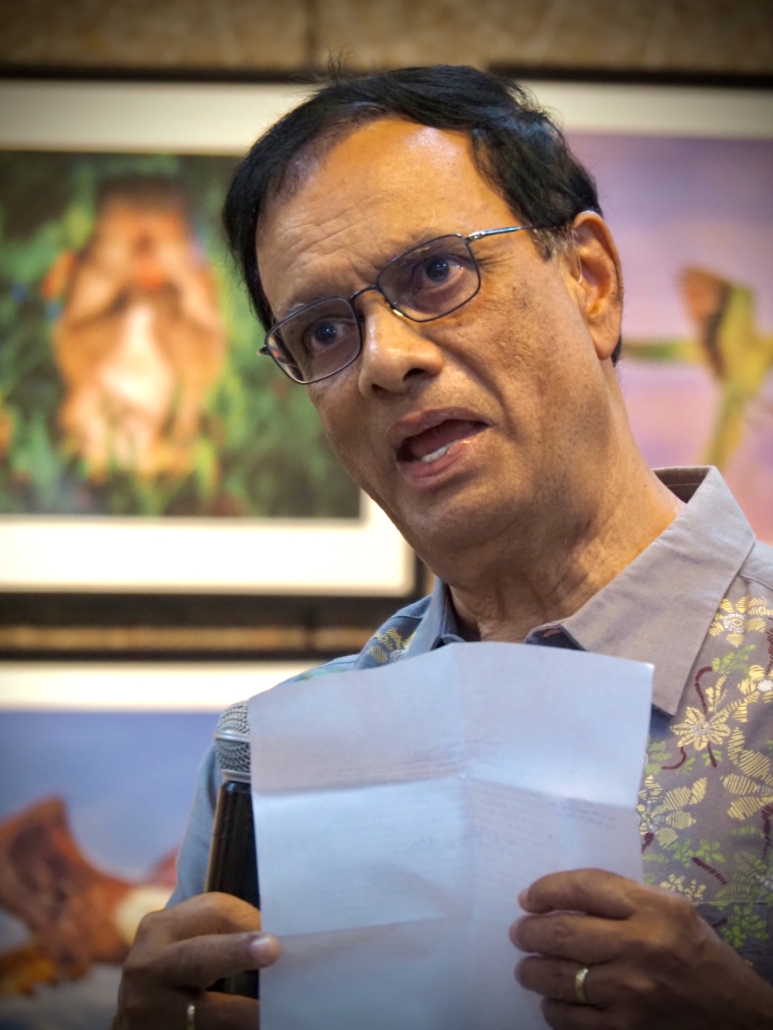
Speaking at the opening, Vinod Thomas strongly emphasized the urgent need for greater activism and public engagement in addressing climate change. Reflecting on the environmental crises confronting the world, he underscored the importance of moving beyond awareness towards meaningful action and collective responsibility. He highlighted how photography can transcend aesthetics to become a powerful medium for reflection, empathy, and advocacy, helping people connect emotionally with urgent environmental concerns.

Echoing these concerns, Bharati Chaturvedi spoke passionately about climate justice, sustainability, and the growing need for citizen participation in addressing waste, urban environmental degradation, and ecological inequities. Through the work of Chintan, she emphasized the importance of community-led solutions in creating more sustainable and equitable cities.

The evening also carried an emotional moment as Vinod Thomas paid tribute to legendary Indian photographer Raghu Rai, reflecting on his recent passing and his immense contribution to photography and visual storytelling. He specifically recalled Raghu Rai’s iconic image from the Bhopal Gas Tragedy, describing it as one of the most powerful photographs ever made — an image that not only documented immense human suffering but also served as a timeless reminder of environmental negligence and the moral responsibility of societies and institutions.

Adding a strong social dimension to the exhibition, all proceeds from the sale of photographs will be donated toChintan to support its environmental and community initiatives, reinforcing the exhibition’s larger message of conservation, social responsibility, and collective action.

The exhibition is on display till 9 May 2026 at the Open Palm Court of the India Habitat Centre, offering visitors, photography enthusiasts, environmentalists, and the wider public an opportunity to experience a visual narrative that bridges art, heritage, climate consciousness, and humanity. Common Threads – A Photographic Passage stands as more than a photography exhibition — it is an invitation to pause, reflect, and rediscover the common threads that connect humanity, heritage, and the planet we collectively share.

Chiaroscuro: Creating Depth with Light and Shadow

Chiaroscuro is a term that hails from the Italian Renaissance, literally meaning “light-dark.” It refers to the strong contrast between light and dark areas in a composition, which can create a dramatic, three-dimensional effect. This technique, often associated with the works of artists like Caravaggio and Rembrandt, has found a powerful place in photography, where it can add depth, mood, and intrigue to your images.

Understanding Chiaroscuro

At its core, chiaroscuro is about the interplay of light and shadow. It’s not just about having bright highlights and dark shadows; it’s about how these elements work together to shape and define the subject. In photography, chiaroscuro can be used to:

  • Emphasize Form: Light and shadow can highlight the contours and textures of the subject, giving it a sculptural quality.
  • Create Mood: The contrast between light and dark can evoke emotions ranging from mystery and suspense to intimacy and warmth.
  • Direct Attention: By manipulating light and shadow, you can guide the viewer’s eye to the most important parts of the image.

Historical Context

Chiaroscuro has its roots in painting, particularly in the Baroque period, where artists used it to enhance the dramatic impact of their works. In photography, this technique became popular with the advent of film noir, where the play of light and shadow was used to create a sense of tension and drama.

Applying Chiaroscuro in Photography

To effectively use chiaroscuro in your photography, follow these steps:

1. Control Your Lighting

The most crucial element of chiaroscuro is lighting. You need a light source that creates a stark contrast between the illuminated parts of your subject and the shadows. This could be:

  • Natural Light: Use window light or a single lamp to cast shadows and highlights on your subject.
  • Artificial Light: A studio light with a snoot or grid can help direct the light exactly where you want it.

2. Understand Your Shadows

Shadows are just as important as light in chiaroscuro. The shadows should be deep and dark, creating a sense of depth and dimension. Position your light source so that it casts shadows that enhance the contours of your subject.

3. Use Negative Space

Negative space, or the area around and between the subject, plays a significant role in chiaroscuro. It helps to frame the subject and emphasizes the contrast between light and dark. Make sure to leave enough dark space around your subject to create a dramatic effect.

4. Focus on Composition

The placement of your subject within the frame is crucial. Typically, the subject is placed off-center, with the light hitting one side more prominently than the other. This asymmetry can create a more dynamic and engaging composition.

5. Post-Processing Techniques

In post-processing, you can enhance the chiaroscuro effect by adjusting the contrast and shadows. Tools like dodging and burning can help you refine the light and shadow areas to achieve the desired effect.

  • Increase Contrast: Boost the contrast to accentuate the difference between light and dark areas.
  • Selective Lighting: Use tools to brighten or darken specific parts of the image, guiding the viewer’s eye and emphasizing the subject’s form.

Examples of Chiaroscuro in Photography

To better understand chiaroscuro, let’s look at some examples:

  • Portraits: A face partially lit from the side, with the other half falling into shadow, creates a dramatic and intense portrait. The light accentuates the subject’s features, adding depth and character.
  • Still Life: A single light source illuminating a still life setup, such as a bowl of fruit or a vase of flowers, can create a classic and timeless image. The shadows add a sense of volume and texture to the objects.
  • Architecture: Chiaroscuro can be used to highlight the architectural details of a building. The interplay of light and shadow on the structure’s surfaces can create a striking and powerful image.

Practical Tips for Beginners

  • Experiment with Light Sources: Try different light sources and angles to see how they affect your subject. Move the light around to find the most dramatic effect.
  • Practice with Simple Subjects: Start with simple subjects like a single object or a face. This will help you focus on the light and shadow without the distraction of a complex scene.
  • Study Classic Works: Look at the works of artists known for their use of chiaroscuro. Pay attention to how they use light and shadow to create depth and emotion.

Conclusion

Chiaroscuro is a timeless technique that can add a powerful visual impact to your photography. By mastering the interplay of light and shadow, you can create images that are not only visually striking but also rich in mood and emotion. So, grab your camera, experiment with lighting, and see how chiaroscuro can transform your photography.